

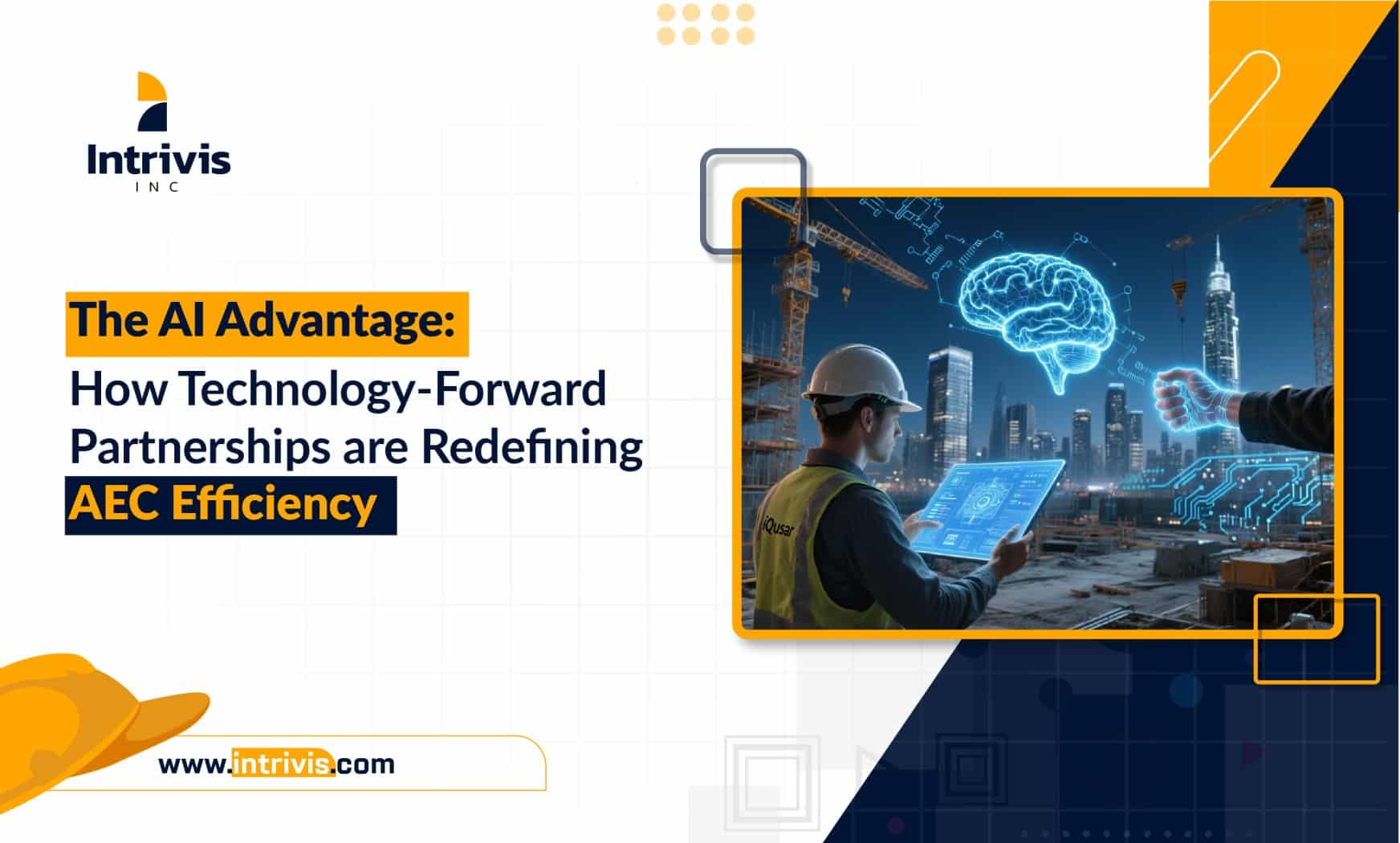
The integration of cutting-edge technology is no longer a luxury but a necessity for firms in the AEC industry. As architectural, engineering, and construction firms navigate complex projects, tight deadlines, and the persistent pressure to optimize costs, the ability to leverage advanced tools becomes a significant differentiator. This is particularly true for small to medium-sized businesses (SMBs) in the AEC space, where agility and efficiency are paramount. The emergence of Artificial Intelligence (AI) is now poised to revolutionize how AEC firms operate, transforming traditional workflows and significantly reducing the cost per unit of work.
For years, the AEC industry has relied on established methodologies. However, the sheer volume of data, the complexity of modern designs, and the need for stringent quality control demand a more intelligent approach. AI, with its capacity for rapid analysis, pattern recognition, and predictive modeling, offers a powerful solution. By embracing AI-driven capabilities, AEC firms can unlock unprecedented levels of efficiency, accuracy, and innovation, positioning themselves as leaders in a competitive market.
AI in Action: Transforming Key AEC Processes
The true power of AI in AEC lies in its ability to enhance critical processes, from initial design concepts to final project delivery. Here’s how AI capabilities are making a tangible impact:
- Generative Design: Unleashing Creative Potential and Optimizing Solutions
Generative design, powered by AI, is fundamentally changing how architectural and engineering designs are conceived. Instead of a linear design process, generative design algorithms explore thousands, even millions, of design options based on predefined parameters such as structural integrity, material efficiency, cost constraints, and environmental performance. This allows designers to:
- Rapidly Explore Design Alternatives: Quickly generate and evaluate a vast array of design solutions that might be impossible to achieve manually.
- Optimize for Performance: Identify designs that are inherently more efficient, sustainable, or cost-effective from the outset.
- Reduce Design Iteration Time: Significantly compress the time spent on design exploration and refinement, accelerating project timelines.
This capability not only fosters greater creativity but also ensures that the most optimal and cost-efficient designs are identified early in the project lifecycle, minimizing costly changes down the line.
- AI for Code Compliance: Ensuring Accuracy and Mitigating Risk
Navigating the labyrinth of building codes, regulations, and zoning laws is a time-consuming and error-prone task for AEC professionals. Non-compliance can lead to significant delays, rework, and financial penalties. AI-powered solutions are now emerging to automate and streamline the code compliance review process:
- Automated Code Checking: AI algorithms can rapidly analyze design models against relevant building codes and regulations, flagging potential violations in real-time.
- Reduced Human Error: Minimizing manual review reduces the likelihood of human oversight, leading to more accurate and consistent compliance.
- Faster Permitting: Expediting the code review process can significantly shorten permitting times, allowing projects to move forward more quickly.
By ensuring proactive compliance, AI helps AEC firms mitigate legal and financial risks, leading to smoother project execution and reduced overall costs.
- Quality Assurance (QA) and Drawing Validation: Elevating Precision and Minimizing Rework
Errors in drawings and design documents can lead to significant rework, material waste, and project delays on site. AI is proving to be an invaluable tool for enhancing quality assurance and validating design outputs:
- Automated Clash Detection: AI can quickly identify clashes and inconsistencies within complex BIM models, preventing costly conflicts during construction.
- Intelligent Drawing Review: AI algorithms can analyze drawings for adherence to standards, completeness, and accuracy, identifying potential issues before they escalate.
- Predictive Quality Control: By analyzing historical project data, AI can predict potential quality issues and recommend preventative measures, reducing the need for costly rectifications.
This level of automated QA and validation ensures higher quality deliverables, reduces rework, and ultimately lowers the cost per unit of work by minimizing on-site errors and inefficiencies.
The Future is Collaborative and Tech-Driven
The integration of AI capabilities into AEC workflows is not about replacing human expertise but augmenting it. It empowers architects, engineers, and contractors to focus on higher-value tasks, make more informed decisions, and deliver projects with greater efficiency and precision. For SMBs, partnering with a technology-forward firm that understands and implements these AI capabilities can be a game-changer.
Embracing AI is an investment in the future, allowing AEC firms to stay competitive, reduce operational costs, and deliver superior results. By leveraging AI for generative design, code compliance, and QA, firms can significantly reduce their cost per unit of work, ensuring profitability and sustainable growth in an increasingly demanding market.
This is precisely where a partnership with Intrivis Inc., with its deep expertise in design, drafting, and BIM services, and its commitment to integrating advanced AI capabilities, can provide the strategic advantage your firm needs to thrive. Contact us today to learn more about how we can help you grow your business with our tailored and AI-powered solutions.



