

Author: Syed Afshan Qadri 
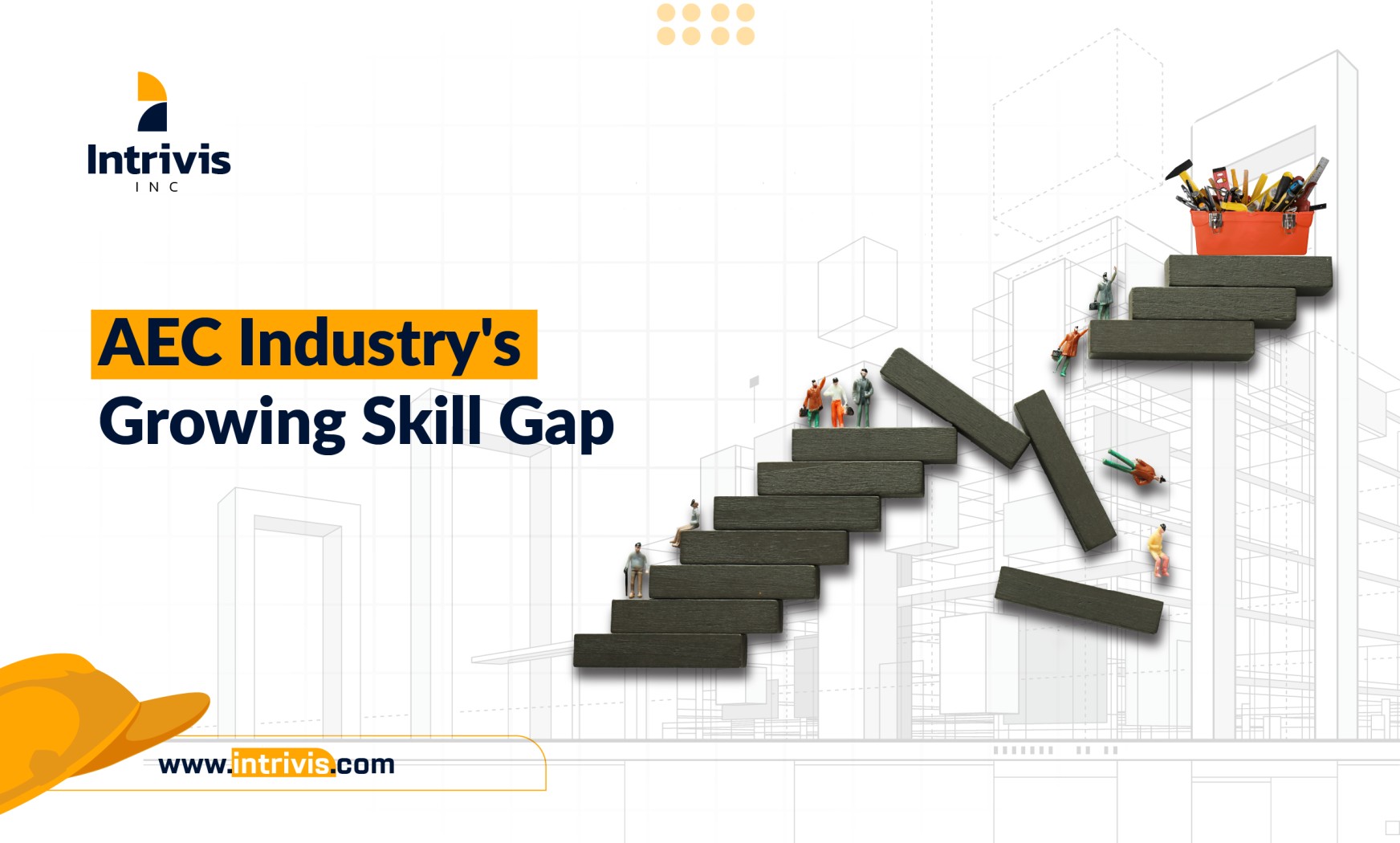
The AEC industry is no longer what it used to be. From digital transformation to sustainability imperatives, the landscape is rapidly shifting—and so are the skills required to remain competitive. Across the globe, there is a significant gap between the skill sets companies require and what the current workforce is able to deliver.
In this article, I explain the types of skills gaps that exist in the AEC industry, the most in-demand capabilities, regional differences, and how both individuals and organizations can work toward bridging this gap.
What Is the Skills Gap All About?
I have consistently seen a mismatch between the skills professionals currently possess and those increasingly required in today’s dynamic AEC environment. As technology reshapes how we design, build, and manage infrastructure, traditional skill sets alone are no longer enough to stay in business.
This skills gap affects everything—from project efficiency and innovation to sustainability and safety. It is not just a local issue; it is a global challenge impacting the entire industry.
In-Demand Skills in the Global AEC Industry
- Digital and Technical Proficiency BIM (Building Information Modeling): An intelligent process that enables professionals to design and construct buildings virtually using smart, interconnected objects. GIS and Digital Twins: Used for spatial analysis, asset visualization, and real-time infrastructure monitoring.AI and Automation: Applied in design creation, planning, predictive maintenance, and risk assessment.
- Sustainability and Green Building Knowledge: A strong understanding of net-zero design, energy modeling, and eco-friendly materials is more important than ever as climate regulations tighten globally.
- Soft Skills: Communication, collaboration, and adaptability are critical in multidisciplinary and often remote teams. Leadership and project management skills are increasingly valued as projects grow more complex.
- Interdisciplinary Thinking: Professionals who understand the intersection of architecture, engineering, and construction can better navigate integrated project delivery models.
Regional Perspectives on the Skills Gap
- North America: High demand for digital expertise and sustainability skills, but limited availability of skilled talent makes hiring challenging.
- Europe: Strong emphasis on green building and circular economy practices, along with continued upskilling in digital tools.
- Asia-Pacific: Rapid urbanization is driving demand for both technical professionals and strong leadership talent.
- Middle East: Mega-projects require globally competitive skills, while local training programs are still evolving.
Why Does the Skills Gap Exist?
Several factors contribute to the widening skills gap across the AEC industry:
- Outdated Academic Curricula: Many college programs fail to align with global industry trends and technological advancements, creating gaps from the very start of professionals’ careers.
- Lack of Continuous Learning: In several organizations—especially in emerging markets—continuous upskilling is not prioritized.
- Reluctance to Change: Organizations often hesitate to adopt new technologies due to cost constraints and integration challenges.
- Lack of Awareness: Students are often unaware of evolving career paths within the AEC domain.
Bridging the Gap: What Can Be Done?
For Individuals
- Enroll in online courses such as Coursera, LinkedIn Learning, or Autodesk Academy.
- Develop proficiency in BIM, sustainability practices, and project management.
- Join professional networks and attend industry events.
For Companies
- Invest in workforce training and mentorship programs.
- Foster a culture of innovation and continuous learning.
- Collaborate with universities to help shape relevant curricula.
For Educators
- Update programs to include hands-on digital tools and real-world projects.
- Collaborate with industry experts to remain aligned with market needs.
For Governments
- Support public–private partnerships for workforce development.
- Fund vocational training and reskilling initiatives.
Companies like Intrivis are setting an example by actively investing in workforce training, innovation, and cross-sector collaboration. Recognizing the urgency of the skills gap, Intrivis has prioritised upskilling programs focused on BIM, AI integration, and sustainable design practices. By fostering a culture of continuous learning and embracing agile workflows, Intrivis is not only preparing its teams for the future—but helping shape the future of the AEC industry itself. Let’s connect if you’re working on sustainable design, digital transformation, or innovative construction practices.



